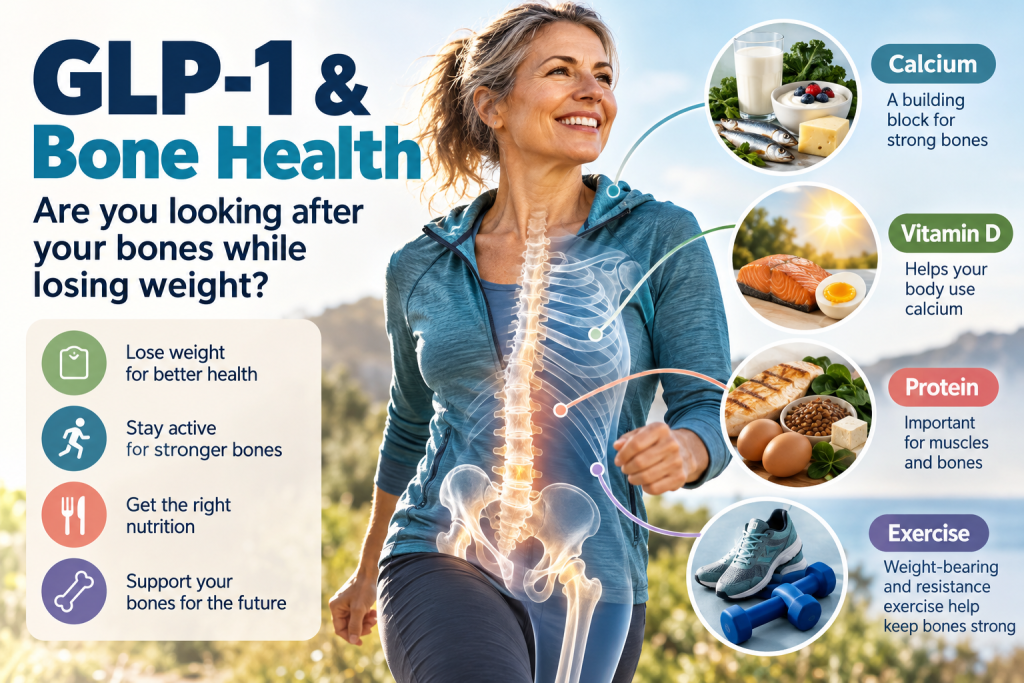
GLP-1 & Bone Health: Are You Looking After Your Bones While Losing Weight?
Losing weight can be good for your health. But have you ever thought about what happens to your bones when your body weight changes?
Most people focus on the number on the scale. They think about losing body fat, eating healthier and becoming more active.
But there’s something else worth paying attention to: your bones.
Your bones support your body, protect important organs and help you move.
And just like your muscles, your bones need good nutrition and regular exercise to stay healthy.
So, what happens to your bones during weight loss? And what does the latest GLP-1 research tell us?
Can losing weight affect your bones?
Yes. Significant weight loss can sometimes lead to changes in bone density.
Bone density refers to how much mineral is packed into your bones. It is one way doctors measure bone strength.
Your bones are living tissue. They are constantly breaking down old bone and building new bone.
When you lose a significant amount of weight, your bones may experience less pressure from carrying your body weight.
This can affect the normal process of bone maintenance.
However, this doesn’t mean everyone who loses weight will develop weak bones.
Many factors influence bone health, including age, hormones, nutrition, exercise and medical history.
Do GLP-1 medications cause bone loss?
This is where the latest research becomes interesting.
A scientific review published in September 2026 examined 60 studies involving more than 1.2 million people.
Researchers looked at how GLP-1-based medicines affected bones, muscles and joints.
The results were encouraging.
The researchers did not find a significant overall effect on bone density or fracture risk after accounting for important differences between the people studied.
However, they also explained that more research is needed to understand the long-term effects of these medicines.
What does this mean for you?
Current evidence does not show that GLP-1 medicines generally cause weaker bones.
But maintaining healthy bones remains important, especially during significant weight loss.
Why does bone health become more important as we age?
As we get older, our bodies naturally change.
For women, menopause can be an especially important time for bone health.
During menopause, oestrogen levels decrease. Oestrogen is a hormone that helps maintain bone strength.
Lower oestrogen levels can lead to faster bone loss.
Over time, some people may develop osteoporosis.
Osteoporosis is a condition where bones become weaker and more likely to break.
This is why looking after your bones shouldn’t only begin when you’re older.
Healthy habits today can help support your bones for the future.
What nutrients help support healthy bones?
Your bones need several nutrients to stay healthy.
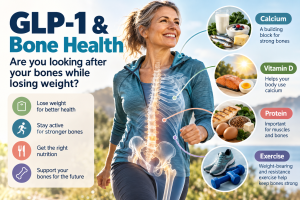
Three important ones are calcium, vitamin D and protein.
1. Calcium: A building block for bones
Calcium is a mineral that helps build and maintain strong bones.
Good food sources include milk, plain yoghurt, cheese, calcium-fortified plant-based milk and certain green vegetables.
Canned pilchards or sardines with their soft, edible bones are another useful source.
2. Vitamin D: Helps your body use calcium
Vitamin D helps your body absorb calcium from food.
Your body can make vitamin D when your skin is exposed to sunlight, but the amount produced varies.
Some foods also contain vitamin D, including oily fish, egg yolks and certain fortified foods.
3. Protein: Important for muscles and bones
Protein isn’t only important for building and maintaining muscle.
It also forms part of your bone structure.
Good protein sources include eggs, chicken, fish, lean meat, dairy products, beans, lentils and tofu.
A balanced diet containing these nutrients can help support bone health throughout life.
Why does nutrition matter when you’re eating less?
GLP-1 medicines can reduce appetite, making it easier to feel satisfied with smaller meals.
However, smaller meals can also mean fewer opportunities to eat important nutrients.
For example, someone who regularly skips breakfast and eats very small lunches may struggle to get enough calcium, protein and other nutrients.
This doesn’t mean everyone using GLP-1 medication needs supplements.
It simply means the quality of your food becomes even more important when you’re eating less.
Try to include a variety of nutritious foods throughout your day.
If you’re worried that your diet isn’t meeting your needs, a registered dietitian can help you plan meals around your appetite and health goals.
Can exercise help keep your bones strong?
Absolutely.
Exercise is important for more than burning calories.
Certain types of movement place healthy stress on your bones. This helps them maintain strength.
Two types of exercise are particularly useful.
Weight-bearing exercise includes activities where your body works against gravity, such as walking, dancing, hiking and climbing stairs.
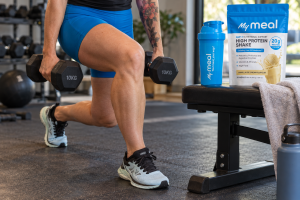
Resistance training includes activities such as lifting weights, using resistance bands or performing body-weight exercises.
Both can help support bone and muscle health.
Balance exercises are also useful because they can help reduce the risk of falls.
The International Osteoporosis Foundation recommends regular weight-bearing and muscle-strengthening exercise as part of maintaining healthy bones.
If you already have osteoporosis, have experienced a fracture or have a high risk of falling, speak to a healthcare professional before starting a new exercise programme.
What is established, and what are scientists still studying?
What we already know:
Healthy bones need good nutrition and regular physical activity.
Calcium, vitamin D and protein are important for bone health.
Significant weight loss can affect bone density, although the changes differ between individuals.
What scientists are still studying:
Researchers are investigating how different GLP-1 medicines affect bone health over longer periods.
The September 2026 review did not find an overall increase in fractures or a significant negative effect on bone density.
However, researchers still need more information about people with existing bone problems and those undergoing substantial weight loss.
The message is simple: focus on supporting your overall health, not just losing kilograms.
5 simple habits to support healthy bones
- Include calcium-rich foods. Try milk, yoghurt, fortified alternatives or pilchards with edible bones.
- Get enough protein. Include a protein source in your meals.
- Keep moving. Walking and resistance exercise can support bone health.
- Eat a variety of nutritious foods. Your body needs more than just protein.
- Know your personal risks. Speak to your doctor if you have concerns about osteoporosis, previous fractures or bone health after menopause.
Where does My Meal fit?
When your appetite changes, getting enough everyday nutrition can sometimes become more challenging.
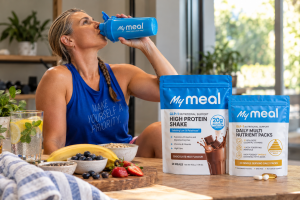
The My Meal High Protein Shake provides a convenient source of protein, together with added vitamins and minerals.
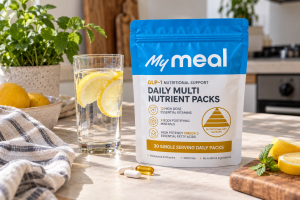
The My Meal Daily Multi Nutrient Packs is designed to complement a balanced diet by providing a range of vitamins, minerals and omega-3 fatty acids.
Both products are designed to support everyday nutritional intake, especially when meal sizes are smaller.
They do not replace a healthy diet, exercise, medical advice or prescribed treatment, and they are not treatments for osteoporosis.
Remember: Your health journey is about more than losing weight. It’s about looking after the body you’re living in.
My Meal — Nutritional support for your journey.