Healthy weight management is about more than losing kilograms. It’s also about staying strong, moving confidently and giving your body the nutrition it needs.
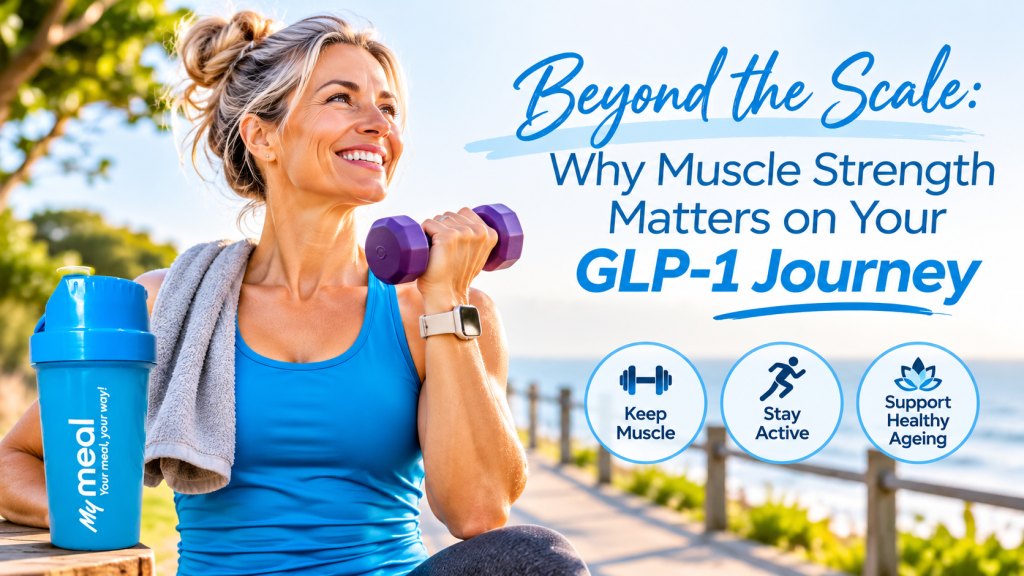
When you’re on a GLP-1 journey, the number on the scale can sometimes get most of the attention. But there’s another important part of your health that deserves just as much care: your muscles.
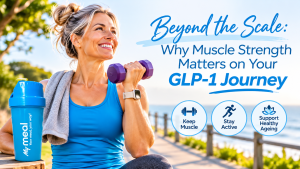
Whether you’re using GLP-1 medication, working towards a healthier weight or simply wanting to feel stronger as you age, protecting your muscle health is an important part of long-term wellbeing.
The good news? You don’t need an expensive gym membership or an intense workout routine to start building healthier habits.
Why muscle matters more than you might think
Muscles do much more than help us lift weights.
They help us walk, climb stairs, carry groceries, maintain balance and enjoy everyday activities. They also play an important role in how our bodies use energy and manage blood sugar.
As we get older, we naturally tend to lose some muscle mass and strength. This process can become more noticeable when we’re losing weight, especially if we’re not eating enough protein or staying physically active.
That’s why healthy weight management shouldn’t focus only on becoming lighter.
It should also focus on helping your body remain strong, active and well nourished.
What happens to muscle during GLP-1 weight loss?
GLP-1 medications, such as semaglutide and liraglutide, can reduce appetite and help people feel fuller for longer.
For many people, this means eating smaller meals and consuming fewer calories.
However, when body weight decreases, some of that weight may come from lean body mass, which includes muscle and other non-fat tissues.
A major 2025 scientific advisory, developed by four leading nutrition and obesity organisations, highlighted the importance of protecting muscle and bone health during GLP-1 treatment.
The advisory recommends combining appropriate nutrition with regular physical activity, particularly strength training.
What does this mean for you?
Losing weight and maintaining strength are both worthwhile goals. Supporting your muscles while your body changes can help you maintain physical function and independence.
Protein and strength training: A powerful partnership
Protein is one of the building blocks your body uses to maintain and repair muscles.
When you’re eating less, it can become harder to get enough protein through your normal meals.
This is especially important for people using GLP-1 medication who may experience a reduced appetite.
Simple protein-rich foods include:
- Eggs, chicken and fish
- Plain yoghurt, milk and cottage cheese
- Beans, lentils and chickpeas
- Lean meat and soya products
- Protein shakes when convenient additional protein is needed
But there’s something important to understand.
Protein alone is not the complete answer.
Your muscles also need a reason to stay strong. That’s where resistance exercise comes in.
Resistance exercise means making your muscles work against some form of resistance. This could be your body weight, a resistance band, or a pair of dumbbells.
Research supports combining adequate protein with strength training during weight loss. The exact amount of protein needed varies according to body size, age, health, and activity level.
Five simple ways to build strength at home

- Chair sit-to-stands
Sit on a sturdy chair and slowly stand up, then sit down again. This helps work the muscles in your legs and hips.

- Wall push-ups
Place your hands against a wall and gently lower your body towards it before pushing away. A beginner-friendly way to work your upper body.

- Light weight exercises
Use light dumbbells or filled water bottles for controlled arm movements. Start with a comfortable weight.

- Heel raises
Hold onto a stable surface, rise slowly onto your toes and lower your heels. This works your calf muscles and challenges your balance.
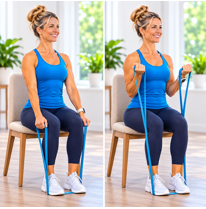
- Resistance band movements
Resistance bands offer a practical way to strengthen different muscle groups without needing large equipment.
Start slowly, choose movements that feel comfortable and gradually build up. Even two or three short sessions a week can be a useful starting point.
If you’re new to exercise, have balance difficulties or live with a medical condition, ask a qualified healthcare professional which activities are suitable for you.
Don’t forget the rest of your nutrition
While protein is important, your body also needs a range of vitamins, minerals, carbohydrates, healthy fats and fibre.
These nutrients support everyday functions, including energy production, normal muscle function and digestive health.
For example:
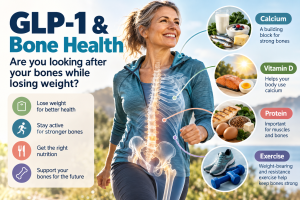
- Calcium and vitamin D contribute to maintaining normal bones and muscle function.
- Magnesium supports normal muscle and nerve function.
- B vitamins help the body release energy from food.
- Fibre supports normal bowel function.
A balanced eating pattern remains the foundation of good nutrition.
Try including colourful vegetables, fruit, whole grains, protein-rich foods and healthy fats throughout your day.
If smaller portions make it difficult to meet your nutritional needs, a registered dietitian can help you plan meals that work for your appetite and lifestyle.
What does the latest research tell us?
The established evidence is encouraging strength training can help preserve lean body mass during weight loss, and adequate protein is an important part of muscle maintenance.
The American Diabetes Association’s 2026 obesity care standards also recommend attention to protein intake, micronutrient adequacy and muscle-strengthening activities when using obesity medications.
However, researchers are still investigating the best individual protein targets and exercise programmes for people taking different GLP-1 medications.
In other words, the general principles are well supported, but there is no single perfect plan for everyone.
Your healthy lifestyle journey is about more than the scale
Instead of measuring progress only by kilograms lost, consider other meaningful signs of wellbeing.
Can you climb stairs more comfortably? Do you feel stronger carrying shopping bags? Are you becoming more consistent with exercise and balanced meals?
These everyday achievements matter.
Building a healthier lifestyle is about developing habits that support your body for years to come, not simply reaching a number.
Where My Meal fits into your everyday routine
At My Meal GLP-1 Nutritional Support, we believe that good nutrition should be practical, convenient and part of a balanced lifestyle.
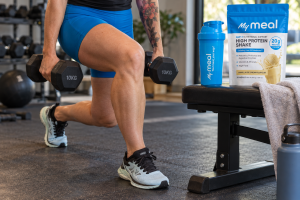
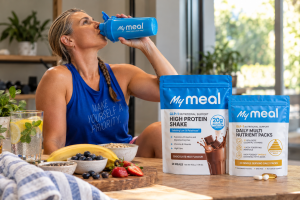
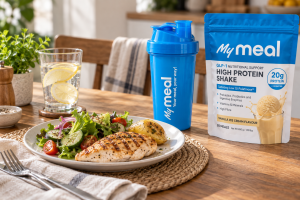
Our My Meal High Protein Shake offers a convenient way to add protein to your daily nutritional intake, particularly on busy days or when preparing a protein-rich meal feels challenging.
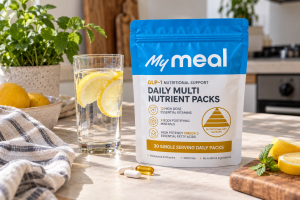
Our My Meal Daily Multi Nutrient Packs provide a convenient option for supplementing everyday vitamin and mineral intake.
These products are designed to complement a balanced diet, not replace healthy eating, strength training or professional medical care.
Because a healthier you isn’t only about what you lose. It’s also about the strength, confidence and healthy habits you build along the way.
Explore My Meal GLP-1 Nutritional Support and discover simple ways to support your everyday nutrition.
Health note: This article is for general education and does not replace personalised medical advice. If you use GLP-1 medication, speak to your healthcare professional before making major dietary or exercise changes. Nutritional supplements do not treat, prevent or cure disease.
SEO details — ready for your website or app
SEO title: Why Muscle Strength Matters on Your GLP-1 Journey | My Meal
Meta description
Discover why muscle strength matters during GLP-1 weight loss, and how protein, simple home exercises and balanced nutrition support a healthy lifestyle.
Suggested URL slug
glp-1-muscle-strength-protein-healthy-weight-loss
Primary SEO keyword
GLP-1 muscle strength
Secondary SEO keywords
GLP-1 nutrition South Africa, protein during weight loss, muscle preservation, strength training for beginners, GLP-1 healthy lifestyle, healthy ageing, high protein shake South Africa
Scientific references
These sources were checked for this edition. The article uses established guidance and clearly identifies questions that still require research.
- Mozaffarian et al. (2025). Nutritional Priorities to Support GLP-1 Therapy for Obesity. Joint scientific advisory published in the American Journal of Clinical Nutrition. Read peer-reviewed research
- American Diabetes Association (2026). Pharmacologic Treatment of Obesity in Adults: Standards of Care in Overweight and Obesity. Includes recommendations for protein intake and muscle-strengthening exercise. Read clinical guidance
- American Society for Nutrition (2025). Nutritional Priorities to Support GLP-1 Therapy for Obesity. Summary of the joint consensus advisory. Read professional society summary